How does an air purifier work?
Discover the technology that cleans the air you breathe, and bid farewell to viruses, mites, dust, allergens, and other pollutants with Daikin air purifiers.
Did you know that the air inside your home can be up to five times more polluted than the air outside? That's a fact. Dust, pollen, mites, unpleasant odours, and pollution particles silently accumulate in enclosed spaces, and you breathe them in every day without realising it. Even though you can't see them, they impact your health more than you might realise. The solution? Air purifiers. These have become invaluable allies for those seeking a healthy, pollutant-free home. If you want to see how they work and whether you really need one, then read on.
What is an air purifier, and what is it used for?
An air purifier is essentially a machine designed to “clean” the air you breathe. It acts as a filter that removes harmful or irritating particles floating around your home. Whether you’re concerned about allergens, dust, pollen, unpleasant odours, or even certain viruses and bacteria, its role is to trap them and release much cleaner air.
What benefits does it bring? To begin with, fewer sneezes and less irritation of the eyes for allergy sufferers, fresher rooms free from musty or tobacco smells, and a breath of fresh air benefiting your health if you live in a high-pollution area.
How does an air purifier work?
While every model has its unique features, the purification process can be summarised in three main stages. Think of the purifier as a guard preventing anything unwanted from entering the air you breathe in.
1. Capture large particles
First, the purifier "catches" the most visible particles. Dust, pet hair, fluff… Thanks to a pre-filter, these coarse particles are trapped before they can go any further. It's like a doorman checking people at the door before going in.
2. Eliminate fine particles (the invisible enemies)
This is where the famous HEPA (a term you’ve surely heard before) filter comes in. What does it do? It specialises in trapping tiny things such as allergens, pollen, mites, and pollution particles. And best of all? It can capture up to 99.97% of particles as small as 0.3 microns (literally invisible to the naked eye!).
3. Neutralise odours and gases
Do you have a neighbour loves to cook up a curry, or maybe you live in a house with a lingering tobacco smell? Activated carbon filters are invaluable allies. They absorb unpleasant odours, volatile organic compounds (VOCs), and harmful gases. The result is fresh, neutral air.
4. Additional technologies
Some models incorporate additional technologies to elevate air cleanliness to the next level. For example, ultraviolet (UV) light neutralises bacteria and viruses, while ionisers work by charging particles so they drop to the floor and don't float back into the air. Bear in mind that not all these technologies are essential, but they can be a bonus if you want something more specialised.
What types of air purifiers are there?
When it comes to air purifiers, several options are available depending on their technology and method of operation. Each one is suited to different needs, but all share the same goal: to provide you with cleaner air. Here I’ll explain the main types and also tell you why Daikin air purifiers are an option worth considering.
Purifiers with HEPA filters: These are the most common and effective when it comes to capturing tiny particles like dust, pollen, or mites. HEPA filters can capture up to 99.97% of particles as small as 0.3 microns, making them ideal for those with allergies or asthma.
Purifiers with activated carbon filters: Ideal for eliminating unpleasant odours and volatile organic compounds (VOCs) such as cigarette smoke or chemical fumes. They not only clean the air, but also make it more pleasant.
Ionisers and purifiers with negative ion technology: These release ions that attach to pollutant particles, causing them to fall to the ground and preventing them from remaining airborne. They operate quietly and are generally a cost-effective option.
Purifiers with ultraviolet (UV) light: Ideal for neutralising microorganisms such as bacteria and viruses. This technology excels at disinfecting, although it's often combined with others to improve effectiveness.
So what makes Daikin air purifiers special?
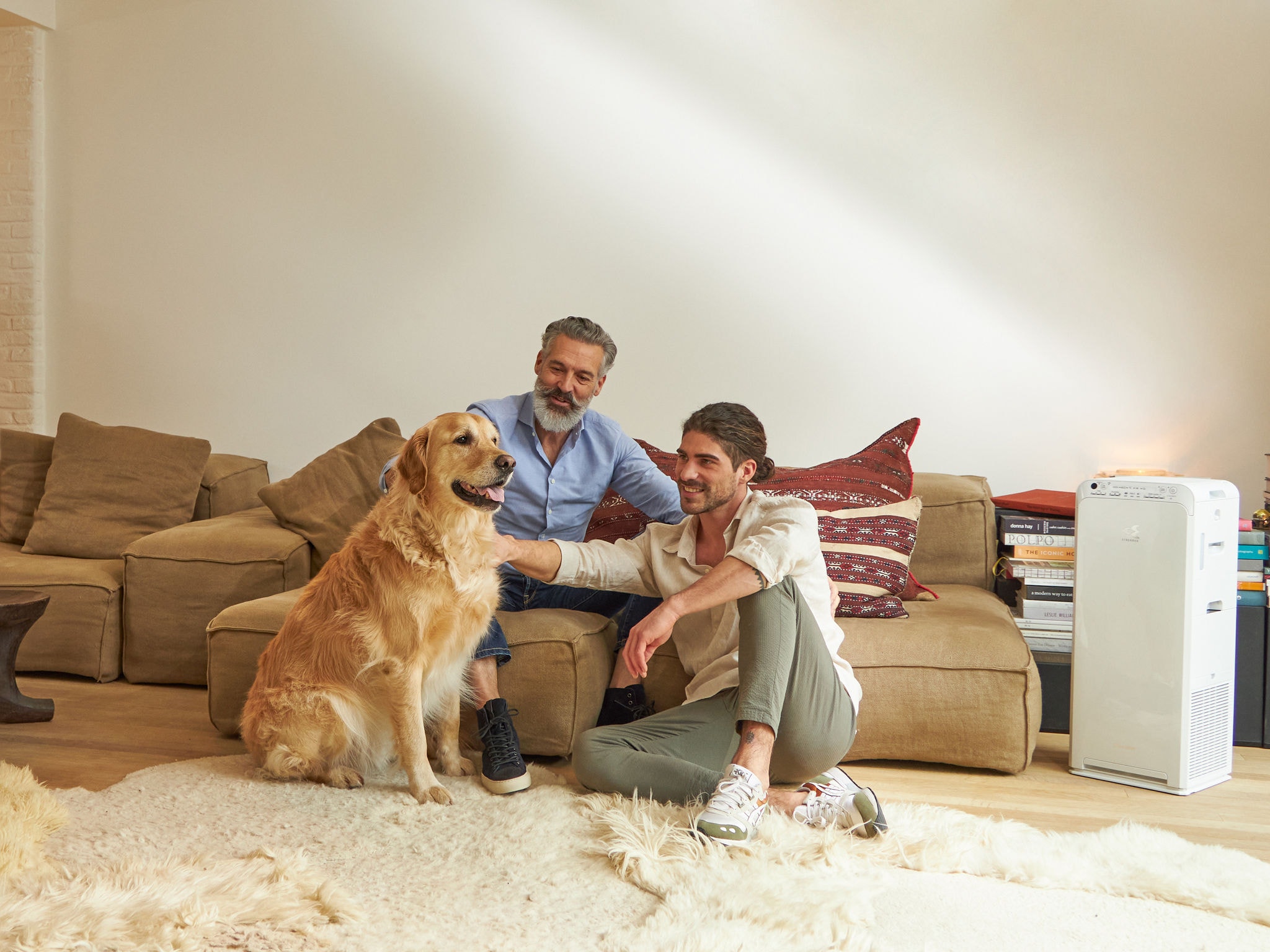
Daikin is a leading brand that has elevated the concept of air purification to the next level. It combines advanced technologies to deliver clean air efficiently and with minimal effort. The most notable features of its purifiers include:
Flash Streamer technology: Daikin's exclusive system that breaks down and eliminates allergens, viruses, and bacteria through high-powered electron discharges. Simply put, it destroys unwanted particles from the air before they reach your nose.
High-quality HEPA filters: These trap microscopic particles with remarkable efficiency, ideal for those with allergies or dust sensitivities.
Deodorising function: Thanks to special filters, these quickly remove unpleasant odours, making them ideal for homes with pets or open-plan kitchens.
Elegant, compact design: Daikin purifiers are not only powerful, they’re also designed to fit aesthetically into any space without taking up too much room.
In short, there is an air purifier to suit every situation and lifestyle. If you’re looking for a combination of advanced technology, effectiveness, and attractive design, Daikin purifiers are a safe bet. They also tend to have straightforward maintenance, making them even more convenient for everyday use.
Do you really need an air purifier?
The big question. The truth is that not every home needs one, but they can be a real lifesaver if:
You suffer from allergies or asthma: It will be your ally against pollen, mites, and other irritants.
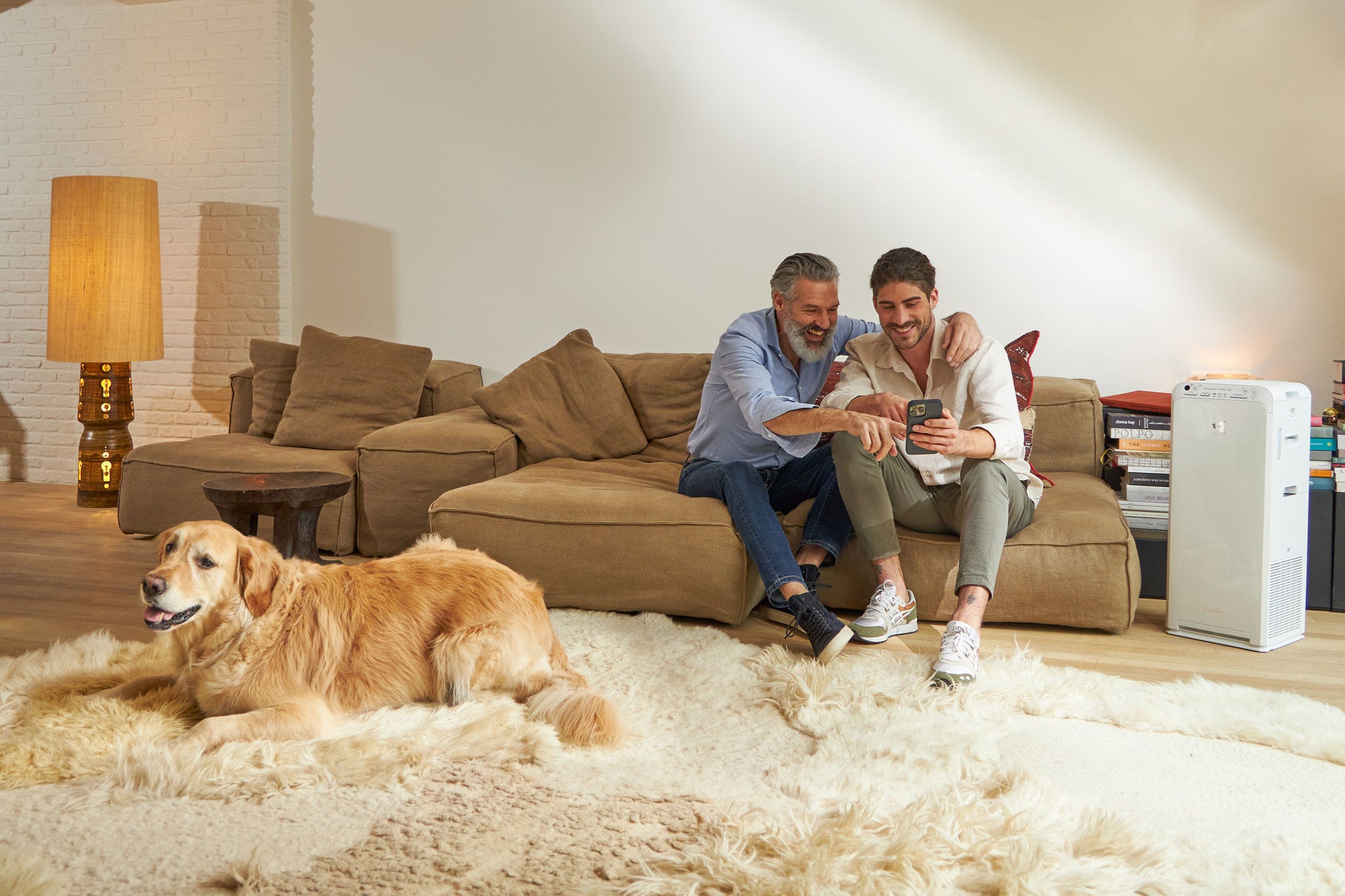
You have pets: Say goodbye to hair, dander, and unpleasant odours.
You live in a city with high pollution levels: It filters out smog and other particles.
You or someone in your home is a smoker: It removes unpleasant odours and harmful substances.
You have babies or older people at home: It ensures more protection and clean air for the most vulnerable.
If any of these situations apply to your home, then yes, you probably need one.
Tips for choosing the perfect air purifier
Before you rush out to buy one, keep these things in mind:
Suitable size: Make sure it covers the whole of the room.
Noise level: If it’s for the bedroom, choose a quiet one.
Maintenance: Filters should be replaced regularly to keep it working efficiently.
Energy consumption: Choose an energy-efficient model, especially if you plan to use it for several hours each day.
Certification: Look for labels such as “True HEPA” or other clear indicators of quality.
Extras and price: Consider whether you genuinely need features such as UV light or ionisation.
An air purifier might be the missing element in your home to help you feel better every day. It helps combat allergens, unpleasant odours, and pollution, making breathing truly enjoyable. Now that you understand what they are, how they work, and when they’re useful, you’re more than ready to make a confident decision. So why not treat yourself to this simple but essential gift? Breathe easy: clean air is within your reach.