Tips for managing allergies and getting through pollen season
Everything you need to know about combating common allergens at home
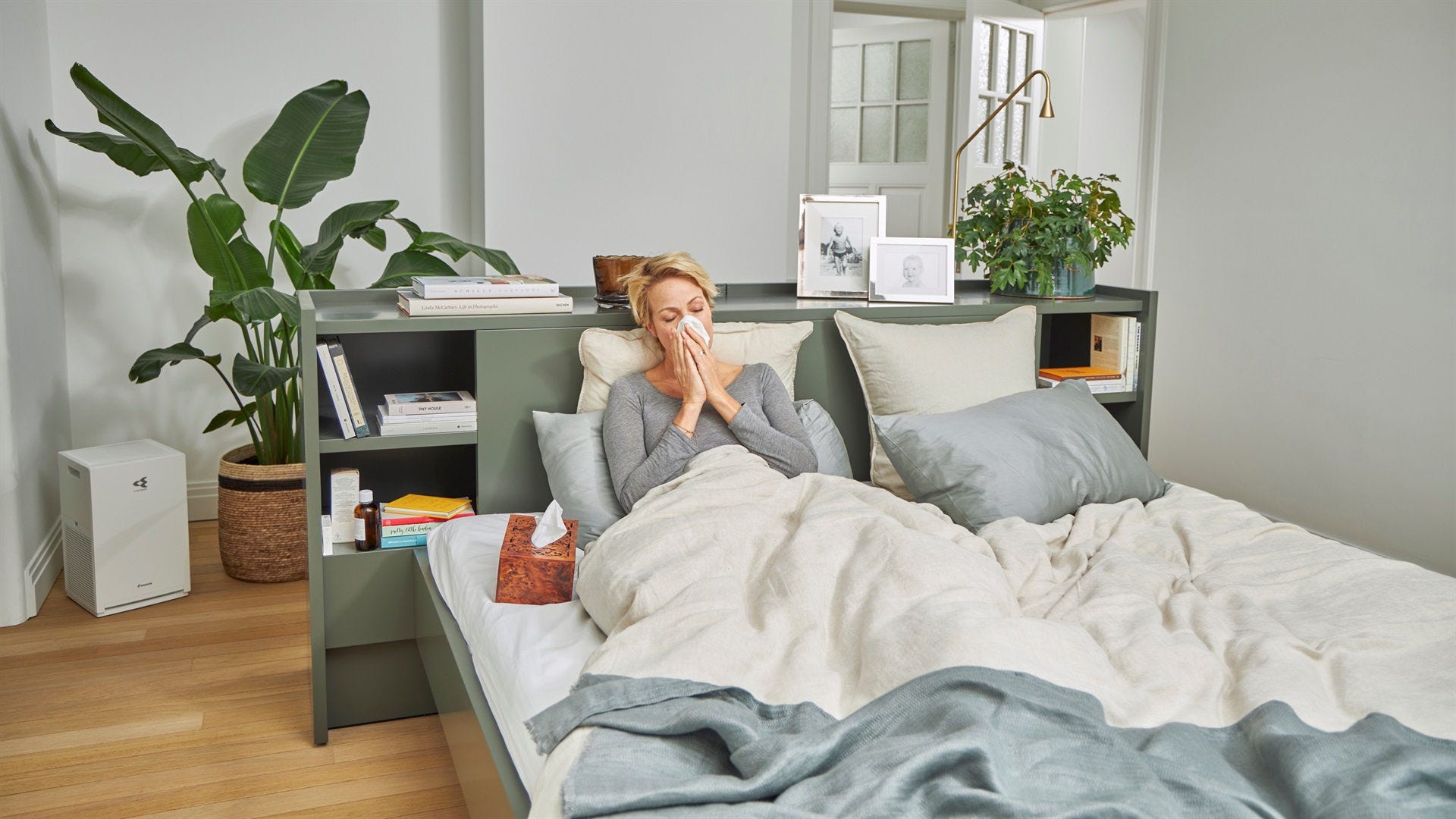
From pollen and dust mites through to mould spores and pet dander, potential allergens are constantly all around us. For those who suffer from allergies, symptoms can be annoying at best, and debilitating at worst. Sneezing, skin irritation, wheezing, watery eyes, and a sore throat are some symptoms caused by exposure to common household allergens.
Most of us manage these allergens by consulting a pharmacist or doctor. Common airborne allergens can be controlled with allergy relief tablets or steroids in severe cases; however, we can also take steps to protect our health and homes from these “invisible enemies” which, though often unnoticed, cause significant daily suffering if left untreated.
What allergy do I suffer from?
First, let's look at the different types of common allergies and where they come from.
Hay fever
Hay fever is one of the most common allergies, causing rhinitis, a feeling of drowsiness, and sinus pressure, and itchy eyes due to pollen from trees or grass. It is estimated that pollen allergy affects 40% of the European population, making it one of the most common allergies in Europe (D’Amato et al., 2007). Pet allergens caused by dander from animals such as cats, dogs, and guinea pigs that live indoors can be a particular problem for children. In fact, a 2007 study (Health Education) showed that teenagers with hay fever symptoms were 40% more likely to see their grades drop between their mock and final exams.
Creating a pollen calendar is a helpful way to identify the specific pollen that triggers your allergy, as this varies significantly between individuals; once identified, you can take steps to avoid it. Unfortunately, according to the European Climate and Health Observatory, global warming is lengthening the “hay fever season” due to warmer temperatures bringing about a change in pollen production. At the same time, rising temperatures are helping accelerate the spread of invasive species that produce especially virulent pollen, such as ragweed, which is spreading across Europe. If we also consider that air pollution can worsen allergies to certain types of pollen, such as birch (which is among the trees whose pollen most often triggers allergies), it is clear that the outlook for hay fever sufferers is unlikely to improve.
Pet allergy
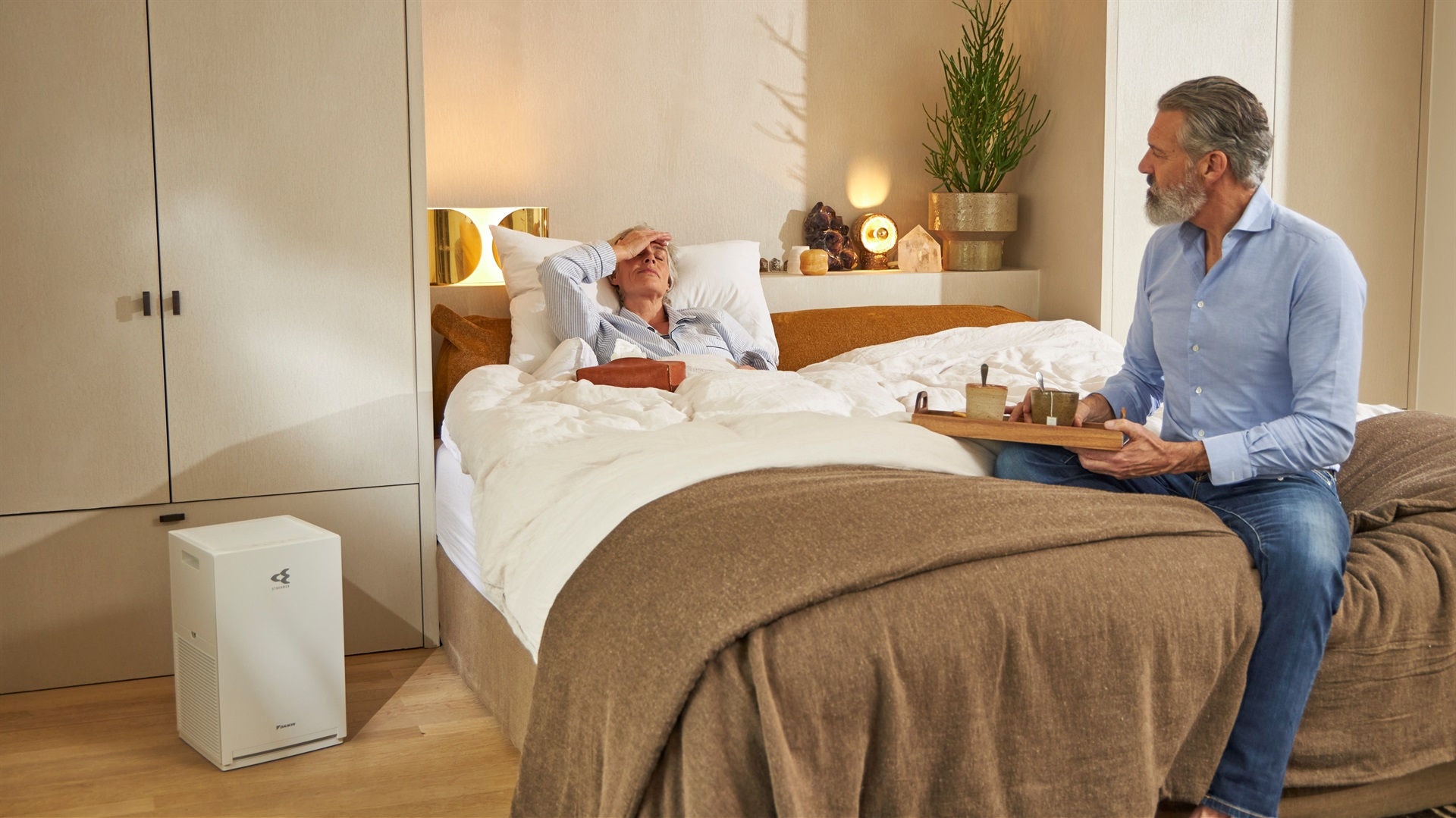
Children are especially vulnerable to pet allergens caused by dander from animals such as cats, dogs, and guinea pigs. It has been shown that 26% of European adults attending clinics due to suspected inhalant allergen allergies are sensitive to cats and 27% to dogs (Davila et al., 2018). Managing this allergen can be especially challenging because our pets are like family members, and the need for contact (both ours and theirs) must be respected; for a child, being unable to stroke their dog can reduce the quality of family life.
Dust mite allergy
Dust mite allergy can cause severe skin irritation and a great deal of suffering, all due to a creature only a quarter of a millimetre long. House dust mites feed on the dead skin cells we shed every day. The ideal breeding ground for a dust mite is the warm, humid conditions found in bedding, carpets, upholstered furniture, and clothes. Dust mites are not a sign that your home is dirty or poorly maintained; they are always present, regardless of how clean or tidy your home is.
If you’re one of those who have a dust mite allergy, it’s highly likely you aren’t allergic to the mite itself. Although it may sound unpleasant, it’s their droppings you’re allergic to. These contain a protein that acts as a trigger for those suffering from this allergy. Each tiny dust mite produces around 20 droppings a day, and reactions can persist even after the mite has died.
Mould spore allergy
Mould spores found in homes with high indoor humidity or poor ventilation are also common triggers of allergic reactions. Common mould species that trigger allergies include Alternaria, Aspergillus, Cladosporium and Penicillium; if you have a family history of allergy or asthma, you are more likely to develop a mould allergy. Although high concentrations of mould are usually found in specific environments such as farms, dairies, sawmills, workshops, joineries, greenhouses, vineyards, and furniture repair shops, it's important to remember that mould spores can also be present in your home, as mould can grow almost anywhere there is moisture, including in cellars, behind walls, in showers or on carpets. Leaky pipes that cause damp are a common source of household mould, and, as climate change impacts our homes and living conditions and the risk of flooding rises, our exposure to mould spores also increases.
What can I do?
So, what can we do if we are allergic to any of these common household triggers?
Knowing what causes our allergy always helps. Keep a diary: When is the allergy at its worst? What has changed at home to cause it? What have you done to alleviate it?
Hay fever tips
To combat hay fever, it's advisable to wash your bedding frequently to remove pollen and dust. Pillowcases should be washed very regularly, as pollen from hair can be inhaled.
Keep doors and windows closed to prevent pollen entering rooms, and brush your hair upon returning indoors to remove pollen and other potential allergens.
Showering at night can wash off pollen and other allergens, helping to avoid bringing them to bed with you.
Wearing sunglasses outdoors, even in your garden, can reduce itchy eyes, while applying a small amount of Vaseline around your nostrils can help trap pollen and prevent it from entering your airways.
Tips for dust mite allergy
Washing your bedding is also essential in combating dust mites. Using covers for mattresses, duvets, and pillows is highly recommended in order to prevent allergens from coming into contact with your skin.
It’s also a good idea to wash all sheets and blankets once a week at 60°C. If your child has an allergy and sleeps in a bunk bed, ensure they sleep on the top bunk to prevent allergens from falling onto them.
Hardwood floors are preferable to carpets, and using a high-temperature steam cleaner on carpets is also recommended.
Remove any unnecessary upholstered furniture, opt for lightweight cotton curtains, and wash fabric toys regularly at 60°C.
Pet allergy tips
When it comes to pet allergies, simple techniques will help you mitigate the problem.
Remove all visible hair and dander from your furniture by cleaning and dusting regularly; many vacuum manufacturers now offer appliances specifically designed for homes with pets.
Brushing your pet outside is a great way to loosen and remove dead hair that might cause allergies; remember to wash your hands after stroking them and avoid touching your face until you have done so.

Cleaner, healthier air with Daikin air purifiers
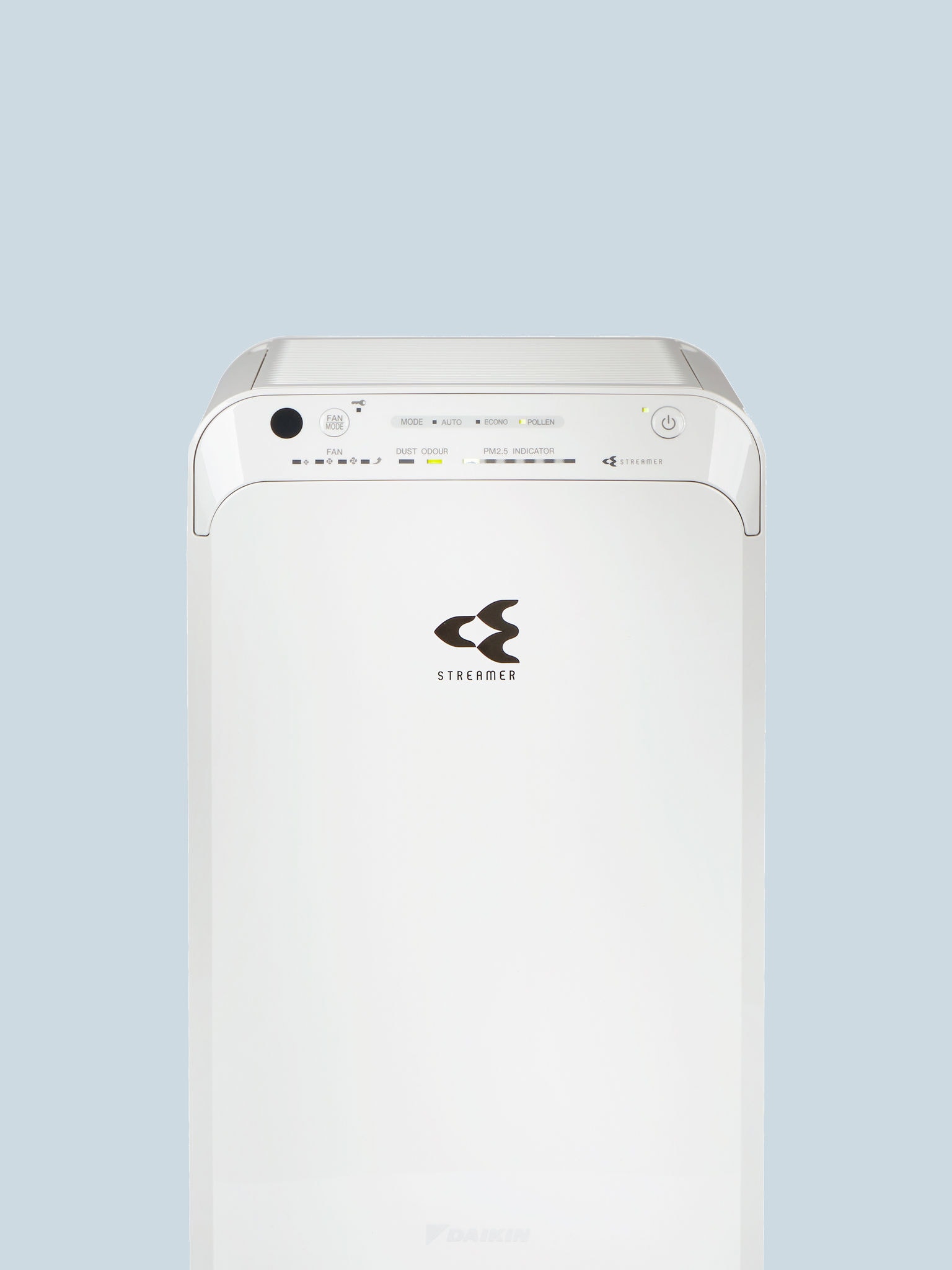
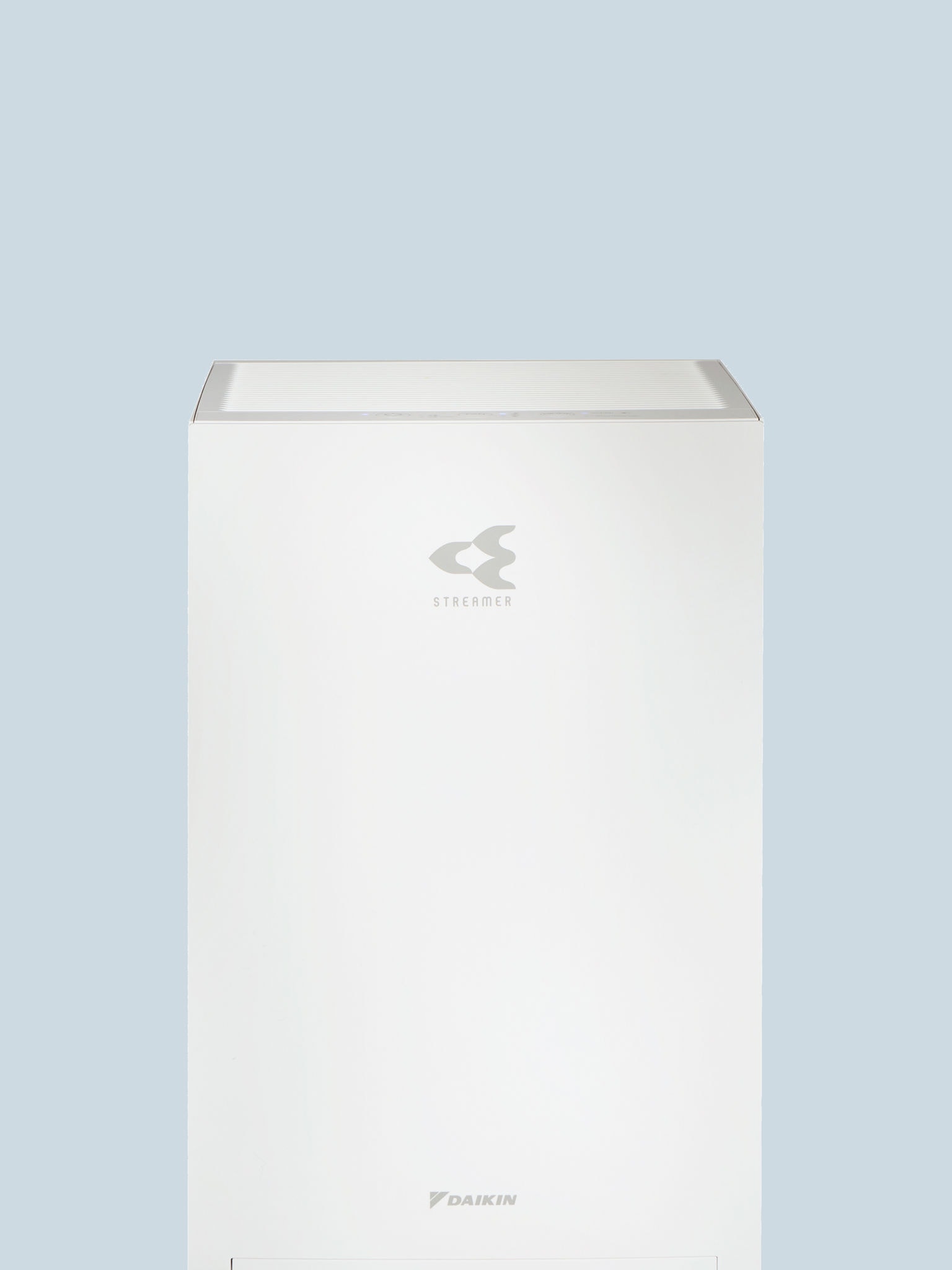
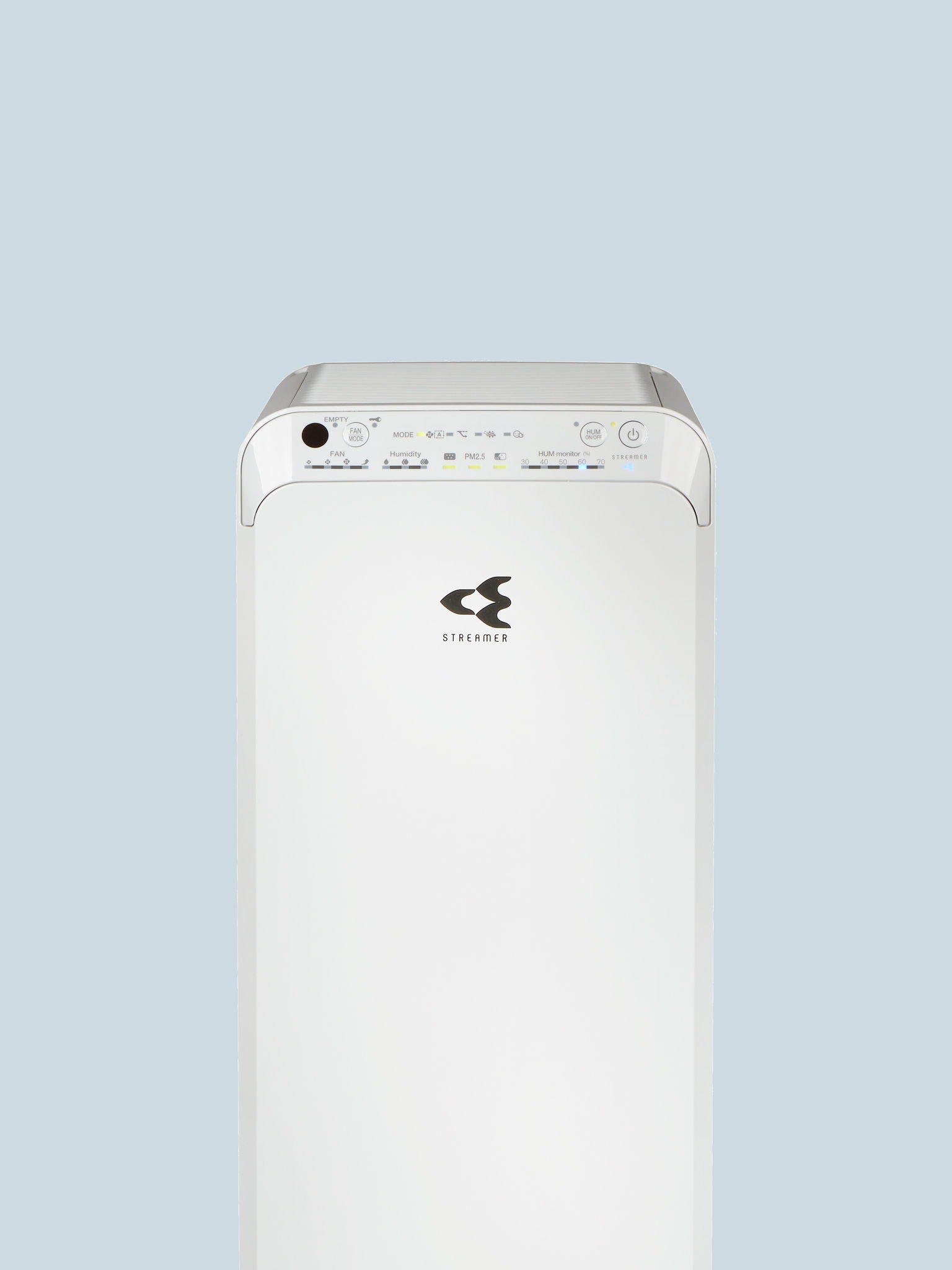
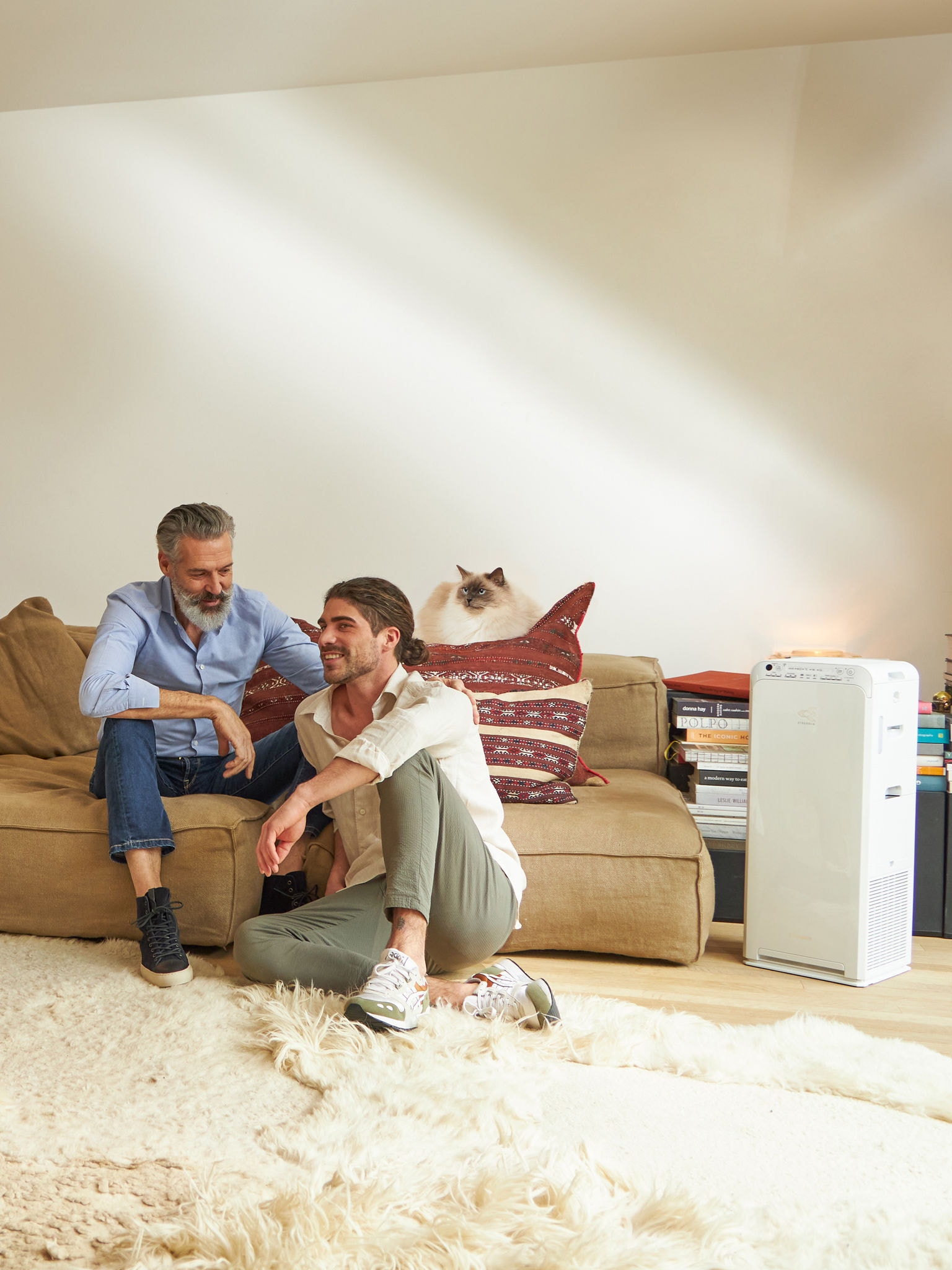
The simplest device for your family to enjoy cleaner, healthier air in your home is a Daikin air purifier, specifically designed to eliminate these invisible harmful particles. The Daikin MC55W Air Purifier has been tested and certified for allergy sufferers by respected institutions such as ECARF and the British Allergy Foundation, and its effectiveness against respiratory viruses has been confirmed by the Pasteur Institute of Lille.
Our Daikin air purifiers come with both automatic and anti-pollen modes. In automatic mode, the device detects particulate levels in the room and purifies the air as needed, removing potential allergens without any input from you. It also features an anti-pollen mode, which works by creating gentle air turbulence in the room. This traps and deals with pollen before it has a chance to end up on your floor.
Thanks to its electrostatic HEPA filter, your Daikin air purifier can eliminate 99.97% of fine harmful particles (0.3 μm) that can cause allergies. It also comes with a 10-year warranty, unique in the market. This means that if you invest in a Daikin air purifier this season to combat allergies, then you won't need to change the filter for the next 10 years.
Thanks to features like these, the Daikin air purifier can purify air in homes up to 82 sqm in size. As usual with Daikin, this is the best coverage available on the market today. Our four-stage filtration with Daikin air purifiers also means you can rest assured you’re combating the invisible threat of allergens, offering the best possible protection for your loved ones and your home. Comfort and peace of mind with Daikin, as always.